
the research institute for structural change
OUR MISSION
Driving research excellence in community-led solutions to address health disparities and promote equitable policy
OUR IMPACT
$3.2 M
Raised for Community Organizations
WHO WE ARE
The Research Institute for Structural Change (RISC) is a nonprofit organization that strengthens community resilience by supporting place-based, community-led solutions to today’s most pressing structural problems in human health and wellbeing, from housing insecurity to gender-based violence.
We are dedicated to creating lasting and collaborative change in our communities through our 2 focus areas.
WHO WE ARE
The Research Institute for Structural Change (RISC) is a nonprofit organization that strengthens community resilience by supporting place-based, community-led solutions to today’s most pressing structural problems in human health and wellbeing, from housing insecurity to gender-based violence.
We are dedicated to creating lasting and collaborative change in our communities through our 2 focus areas.
FOCUS AREAS
Public and Global Health Services
Public Policy and Legal Advocacy
HOW WE SUPPORT CHANGE



WHO WE SUPPORT
At The Research Institute for Structural Change, we support initiatives and grassroots organizations making lasting change in our communities across our 2 focus areas. We drive research excellence in culturally responsive education and training for university researchers and students to support this work.
FEATURED PARTNERS

Sara's House

W.H.E.A.T.

Milaan Foundation

GGE

HERS-EA

Black Women Shaping Afrofutures

Masa Center

Colectiva Gunaa Rucaalu

Supreme Transitions

Survivors' Agenda

me.too International

We Build Progress
FEATURED PROGRAM
Survivors' Choir - Creating a Culture of Innovation in Healing Justice
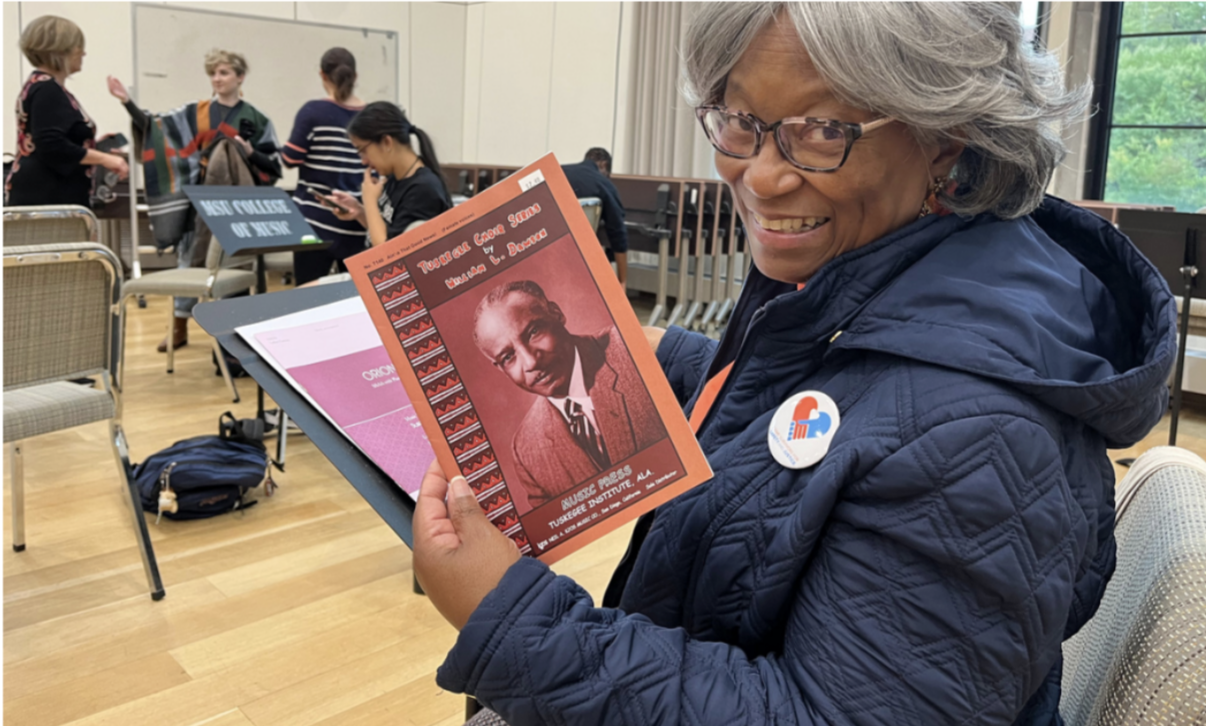
We are a community-led resource program that supports survivors of gender-based violence by providing essential services and a safe space for healing, belonging, and building community through song.
THE IMPACT OF OUR WORK
“RISC has been a game-changer for WHEAT INC. As a grassroots organization dedicated to serving survivors of domestic violence, sexual assault, and human trafficking, we often operate with limited resources, funding, and staff. RISC stepped in at a time when we desperately needed guidance in establishing our nonprofit structure, applying for grants, and expanding our capacity to serve our community.”
“Because of RISC’s support, we have been able to: (1) Secure funding that allowed us to take 113 foster care and state-warded children to summer camp, (2) Expand our trauma-informed services to more families in crisis, (3) Strengthen our outreach efforts, connecting more survivors with critical resources.”
“RISC has provided an invaluable link between WHEAT and Universities wealth of resources. Their connections to faculty expertise and research materials have allowed us to deepen our understanding of issues such as trauma-informed care, economic empowerment for survivors, and community-based advocacy strategies.”
“Most importantly, RISC has made it possible for us to dream bigger. They have invested in our organization in ways that many other organizations wouldn’t—because they believe in the power of small, grassroots nonprofits to create real change. Their work ensures that organizations like ours don’t just survive but thrive, ultimately allowing us to serve more people and save more lives.”
“The support provided by the Research Institute for Structural Change (RISC) has been instrumental in achieving significant milestones for Sara’s House/Place by enhancing our capabilities.”
“RISC has opened our thoughts on how to engage the community to come together in non- traditional culturally specific ways.”
“One thing I appreciate concerning RISC is that they listen to the needs of the organization. They collaborate closely with our vision by supplying well-informed students who assist with essential research. Working with RISC has afforded Sara’s House to receive our first federal grant through the Department of Justice and because of their hard work and dedication, this year we will be able to help more survivors of domestic/sexual assault and the homeless receive the help that they need.”
“For Milaan, the evaluation did more than confirm past success; it changed our future trajectory. The credibility of RISC’s report helped us secure new multi‐year commitments from donors eager to invest in scalable solutions.”
“RISC has become an essential ally to Milaan Foundation and, more broadly, to community organisations that rely on rigorous yet accessible research to advance gender equity and youth empowerment, positioning the institute at the intersection where academic excellence meets public purpose.”
“The guidance and expertise of RISC have been invaluable for Black Women Shaping AfroFutures. RISC has helped position us within a coalition of organizations committed to making a transformative impact, and we are proud to be part of this collective effort. Recognizing that our journey is a long-term commitment, we are grateful to have RISC as a partner we can trust and rely on for support with a range of initiatives, from immediate action to strategic development. In today’s ever-changing landscape for grassroots organizations, we know we can turn to RISC for thoughtful advice and direction, knowing our initiatives will receive their full attention and support. […] RISC’s commitment to community-led solutions and innovation has been instrumental in advancing our far-reaching and ambitious goals to support our community.”
LAND ACKNOWLEDGEMENT
Most of the work RISC does happens remotely. Since the primary researchers are located in Michigan, we collectively acknowledge that the state itself is and Michigan State University occupies the ancestral, traditional, and contemporary Lands of the Anishinaabeg – Three Fires Confederacy of Ojibwe, Odawa, and Potawatomi peoples. In particular, the University resides on Land ceded in the 1819 Treaty of Saginaw. We recognize, support, and advocate for the sovereignty of Michigan’s twelve federally-recognized Indian nations, for historic Indigenous communities in Michigan, for Indigenous individuals and communities who live here now, and for those who were forcibly removed from their Homelands. By offering this Land Acknowledgement, we affirm Indigenous sovereignty and will work to hold Michigan State University more accountable to the needs of American Indian and Indigenous peoples.
For more information about these lands, please visit https://aiis.msu.edu/land/.